


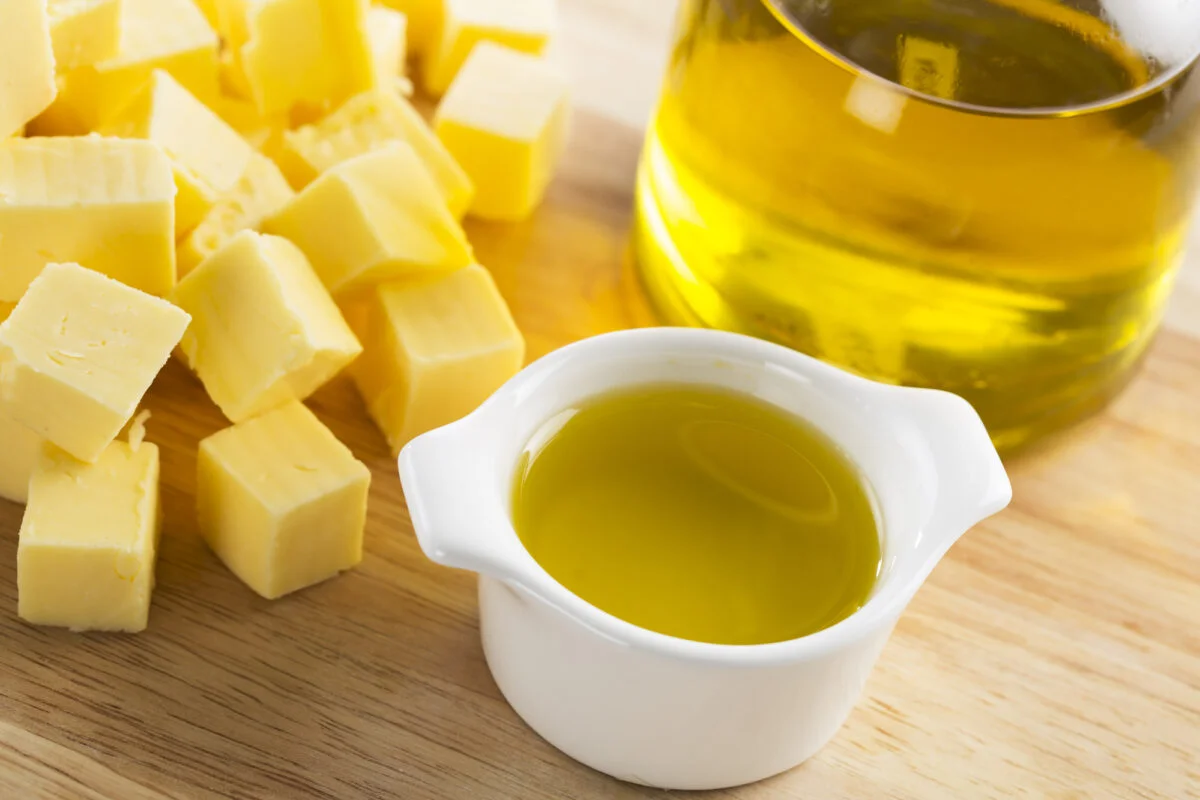
Butter is the most smooth and nutritional dairy product. It is refined from animal milk cream and taken in different forms. Butter can be eaten with bread and can also be used in baking and cooking different dishes. There are some other types of butter as well like plant-based butter and nut butter. Plant-based butter has a similar consistency, but it’s made with vegetable oils instead of cream. Whereas nut butter (such as almond butter or peanut butter), is made up by grinding nuts into a spreadable paste.
However, dairy butter is a bit heavy and contains fat that adds up in the amount of cholesterol and creates health issues. There might be people who are intolerant to lactose or have food allergies. But all of them need nutrition. So that they have the option to use different alternatives in place of dairy butter. Here are some alternatives to fulfill the gap of dairy butter.
Substitutes for Dairy Butter
The given butter substitutes are mostly used instead of dairy butter.
- Olive Oil
Butter is commonly considered a substitute for olive oil, so the two are interchangeable in some cooking situations. Since olive oil is a liquid and butter is a solid, swapping the two is not a perfect science. You may need to use a smaller amount of olive oil in place of butter when cooking or baking.
Nutritionally, olive oil may be a healthier option than butter since it is rich in vitamins, polyphenols, and monounsaturated fat. It is a staple in the Mediterranean diet since it is associated with high antioxidant content and anticancer properties.
- Coconut Oil
Coconut oil solidifies at colder temperatures, so it can often be used 1:1 in place of butter. Conveniently, it can be used as a substitute for butter in both cooking and baking. When cooking, opt for refined coconut oil since it has a higher smoking point. Unrefined coconut is likely the better choice for baking.
People who are trying to lose weight may choose to substitute coconut oil for butter because of its effect on metabolism. Coconut oil contains short- and medium-chain fatty acids, which may increase metabolism and energy levels. However, coconut oil may slightly alter the flavor of your food since it can have a strong, coconut-flavored taste.
- Plant-Based Butter
There is debate whether vegan butter or butter made with dairy products is a more nutritious choice. There are pros and cons to both, and the best option depends on your unique needs.
Vegan butter is usually made with vegetable oils, so they are a great source of monounsaturated fats. Vegetable oils rich in monounsaturated fats, such as olive oil and canola oil, have been shown to reduce the risk of heart disease.
Keep in mind that plant-based butter may be heavily processed, contain high amounts of omega-6 fatty acids, or contain other allergens like soy or nuts.
Intake butter in its alternative forms if the dairy butter does not suit you. We are grateful to researchers who find out these invaluable facts for us.


