


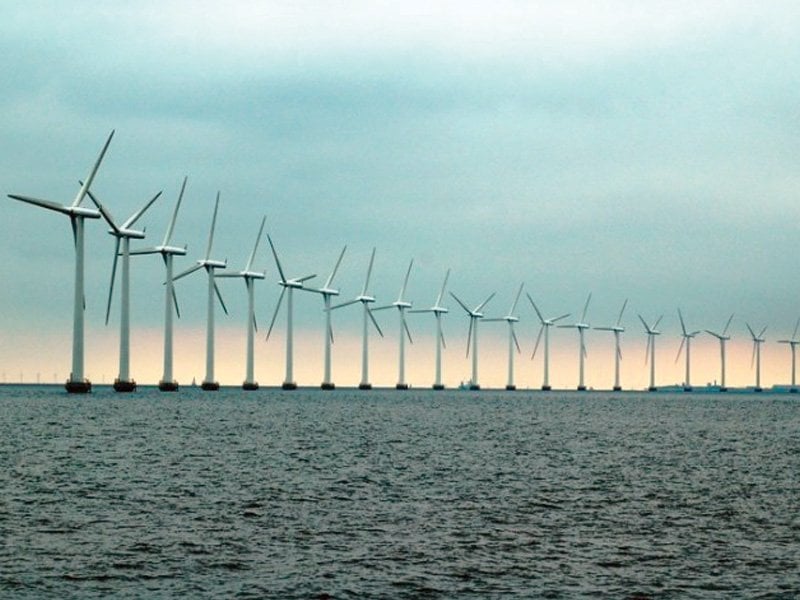
Wind energy has emerged as a key component of Pakistan’s renewable energy strategy, offering a sustainable and environmentally friendly solution to the country’s energy challenges. With a growing demand for electricity and increasing concerns over environmental sustainability, Pakistan is actively exploring its wind energy potential. The country’s unique geography, especially its coastal regions and vast plains, provides several sites that are suitable for the development of wind energy projects. In this article, we explore the most suitable sites for wind energy generation in Pakistan, the current status of wind power in the country, and the future potential of this renewable resource.
Wind Energy in Pakistan: An Overview
Pakistan has an estimated potential of generating 50,000 MW of electricity from wind energy alone, according to studies conducted by the Alternative Energy Development Board (AEDB) and other energy authorities. The country’s wind energy sector is still in its early stages, but significant progress has been made in recent years, particularly in the Sindh province, where several wind farms have been established and are successfully contributing to the national grid.
Major Suitable Sites for Wind Energy in Pakistan
- Gharo-Keti Bandar Wind Corridor (Sindh)
The Gharo-Keti Bandar Wind Corridor is by far the most significant and well-explored wind energy site in Pakistan. Situated along the coastal areas of Thatta and Jamshoro districts in Sindh, this corridor extends for over 60 kilometers and covers an area of 9,700 square kilometers. It is estimated to have the potential to generate up to 11,000 MW of electricity. The wind speeds in this region range from 5 to 7.5 meters per second (m/s), which are highly favorable for wind energy generation.
Several wind farms have already been established in the Gharo-Keti Bandar corridor, including the Jhimpir Wind Farm, which is one of the first commercial wind energy projects in Pakistan. The corridor has attracted both local and international investments, and its success has spurred further interest in expanding wind energy capacity in the region.
- Jhimpir Wind Corridor (Sindh)
The Jhimpir Wind Corridor, located near the town of Jhimpir in the Thatta District, is another key site for wind energy in Pakistan. This region benefits from consistent wind speeds of 6 to 7 m/s, making it an ideal location for wind farms. The Jhimpir Wind Power Project, which became operational in 2012, was the first major wind energy project in Pakistan and set the stage for future developments.
With the success of the initial projects in Jhimpir, the area has seen the establishment of multiple wind farms, including Zorlu Energy’s wind farm and the Three Gorges First Wind Farm developed by the China Three Gorges Corporation. The region continues to expand its wind energy capacity, contributing significantly to the national grid.
- Kalar Kahar Wind Corridor (Punjab)
The Kalar Kahar region in Punjab is another promising site for wind energy development. Situated in the Chakwal District, this area has been identified as having strong wind potential, particularly in the valleys and mountainous regions. Wind speeds in this area typically range from 5.5 to 7 m/s, making it a viable location for wind power projects.
Although not as developed as the coastal regions of Sindh, Kalar Kahar has attracted attention as a potential site for future wind energy expansion. The area’s proximity to major population centers and existing infrastructure makes it an attractive option for investors looking to diversify the country’s renewable energy mix.
- Mastung Wind Corridor (Balochistan)
The Mastung region in Balochistan has also been identified as a suitable site for wind energy development. Balochistan’s expansive and sparsely populated landscape provides ample space for large-scale wind farms, and the wind speeds in Mastung, ranging from 5.5 to 6.5 m/s, are conducive to wind power generation.
Balochistan’s potential for renewable energy, including wind and solar power, is significant but remains largely untapped due to infrastructural challenges and limited investment. However, with increasing interest in renewable energy development across Pakistan, Mastung and other parts of Balochistan are likely to see future growth in wind energy projects.
- Pasni and Ormara (Balochistan Coastline)
The coastal regions of Pasni and Ormara in Balochistan have also been recognized for their wind energy potential. These areas experience strong coastal winds, with wind speeds averaging 6 to 7 m/s throughout the year. The proximity to the Arabian Sea and the vast open spaces make Pasni and Ormara ideal candidates for large-scale wind farms.
The development of wind energy in these areas could also help address the electricity shortages faced by local communities, particularly in the coastal regions of Balochistan, where access to reliable energy remains a challenge.
The Current Status of Wind Energy Projects in Pakistan
As of recent years, Pakistan has made considerable progress in developing its wind energy sector. Several wind farms have been successfully commissioned, primarily in the Sindh province, contributing a significant amount of renewable energy to the national grid. Some of the key operational wind farms include:
- Jhimpir Wind Power Project
- Zorlu Energy Wind Farm
- Sapphire Wind Power Project
- Three Gorges First Wind Farm
- Fauji Fertilizer Company Energy Limited (FFCEL) Wind Farm
These projects have not only helped reduce Pakistan’s dependence on fossil fuels but also created job opportunities and attracted foreign investment in the renewable energy sector.
Future Potential and Government Initiatives
Pakistan’s government is committed to increasing the share of renewable energy in the country’s energy mix. The Alternative and Renewable Energy Policy 2019, developed by the Ministry of Energy, aims to increase the share of renewables, including wind energy, to 30% of the total energy mix by 2030. This policy includes incentives for investors, streamlined processes for project approvals, and a focus on expanding the country’s wind energy infrastructure.
Challenges to Wind Energy Development
Despite the promising potential, several challenges remain in the development of wind energy in Pakistan:
- Grid Infrastructure: Many of the most promising wind energy sites are located in remote areas with limited access to the national grid. Significant investments in grid infrastructure are required to transmit electricity from these areas to major population centers.
- Financing and Investment: While there has been increasing interest in wind energy investment, financing large-scale projects remains a challenge, particularly in regions with political instability or security concerns.
- Regulatory Hurdles: Complex regulations, bureaucratic red tape, and lengthy approval processes can slow down the development of wind energy projects, making it difficult for investors to navigate the regulatory environment.
- Public Awareness and Acceptance: There is still a need to raise awareness about the benefits of renewable energy, including wind power, among the general public and local communities who may be hesitant to support large-scale projects.
Conclusion
Pakistan holds immense potential for wind energy development, with several key sites identified across the country, particularly in Sindh, Punjab, and Balochistan. The successful development of wind farms in the Gharo-Keti Bandar and Jhimpir wind corridors has demonstrated the viability of wind power in Pakistan, offering a sustainable alternative to fossil fuels. With continued investment, supportive government policies, and improved infrastructure, wind energy can play a crucial role in meeting Pakistan’s growing energy needs while reducing its carbon footprint and dependence on non-renewable resources.


