


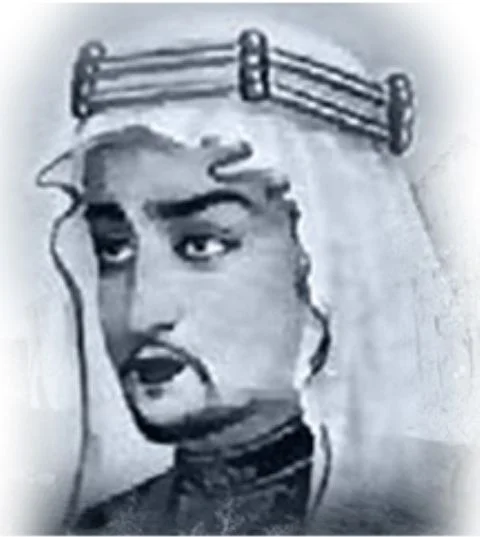
Muslims have always marked history with their achievements. They have always been the top-level leaders in every field. Muslims have been conquering various areas and ruled many a time. Muhammad bin Qasim is one of the Muslim conquerors who have surprised the world.
Early Life:
The conqueror was born in 695 AD. He belonged to the Saqqafi tribe who came from Taif in Arabia. His mother nourished him. He turned into a great asset to his uncle Muhammad Ibn Yusuf, the governor of Yemen. The born leader was full of skills and potentials. So, he was raised in the state department as the youngest. Hajjaj bin Yousaf appointed Muhammad bin Qasim as the governor of Persia. Though he was just in his teenage yet crushed the rebellion in that region.
His Conquering Phase:
Muhammad bin Qasim rocked by conquering the Sindh and Punjab regions along the Indus River for the Umayyad Caliphate. He conquered India for several short and long-term reasons. Firstly, Arabs had trade with India. And that trade was carried out through the sea route. The sea route was unsafe from the Pirates of Sindh. Hence the Umayyad planned to extend their reign and also protect their trade route.
However, the major cause of this conquest was the robbery of Ceylon’s ruler to Hijjaj. Secondly, the pirates had attacked the Arab’s ship which carried the orphans and widows of Muslim soldiers who died in Sri Lanka. Thus the Umayyad took over Makran and Sindh regions.
The Umayyad caliphate asked Muhammad Bin Qasim to attack over Sindh. He led 6,000 Syrian cavalries. Whereas, six thousand camel riders and five catapults (Manjaniks) joined him at the borders of Sindh. Muhammad Bin Qasim reached there and first conquered Debal, from where the Arab army marched along the Indus. Dahir’s forces met him at Rohri. Dahir died in the battle and Muhammad bin Qasim defeated his arm forces. He took control of Sindh.
Further, Qasim entered Daibul in 712 AD. As a result of his efforts, he succeeded in capturing Daibul. He moved on with his Victorious Progress in succession, Nirun, fortress (called Sikka), Brahmanabad, Alor, Multan, and Gujrat. After the conquest of Multan, he led his army forces to the borders of the Kingdom of Kashmir but received an order to stop the further advance.
Muslim rule:
So after the conquest, Muslims ruled over Sindh and a part of Punjab. Muhammad bin Qasim adopted a fine policy and asked the people to accept Muslim rule. And in return, he promised to not interfere in their religious and cultural practices. Moreover, the commanding leader established peace and a good tax collection system. He also ensured the security of life and property for the natives.
Death of Muhammad bin Qasim:
Muhammad bin Qasim was put to death by Suleman on the 18th of July 715 AD at the age of 20 years. Suleman was the younger brother of Walid bin Abdul Malik.


