


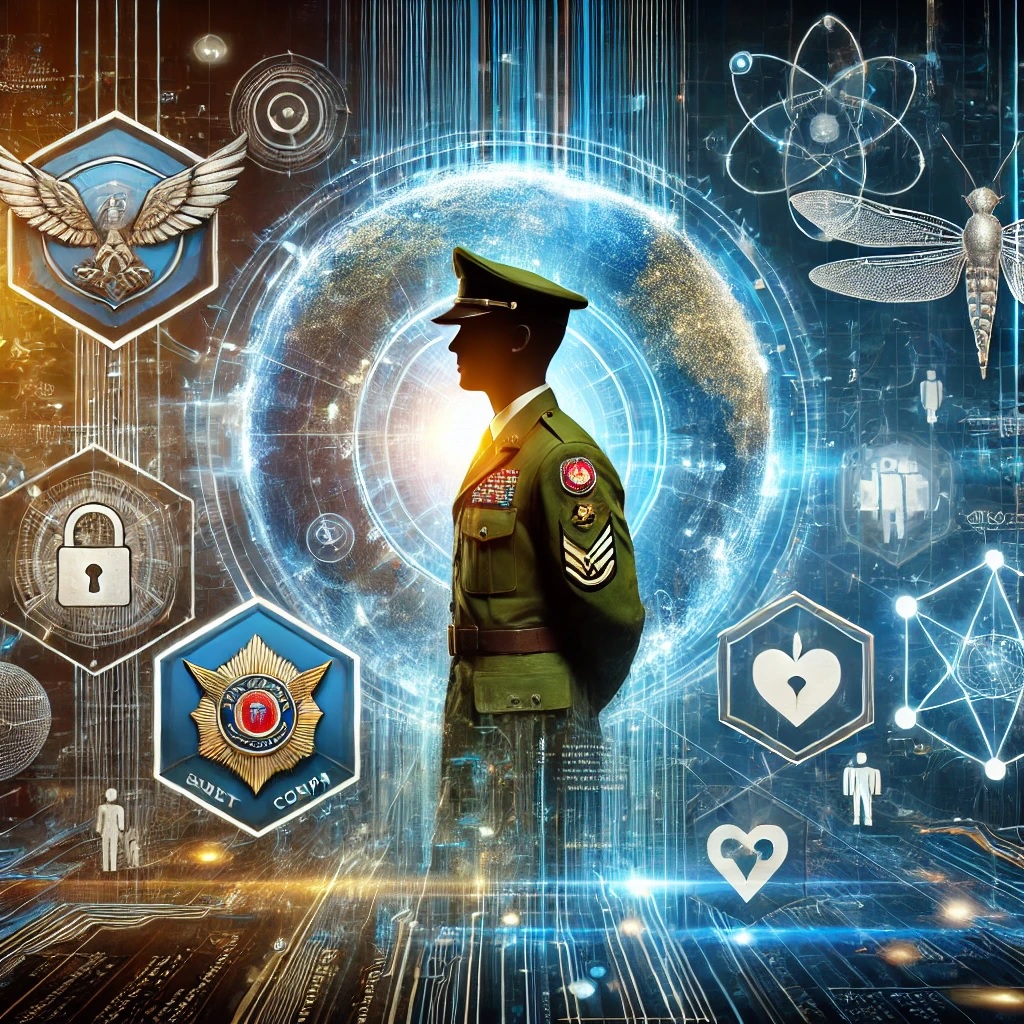
In an era defined by rapid technological advancements and digital transformation, the need for innovative approaches to national security, youth development, and civic engagement has never been more pressing. The National Cadet Corps (NCC), a time-honored institution that has played a crucial role in fostering discipline, leadership, and patriotism among the youth, stands at a crossroads. The proposal to revive the NCC into a modernized National Digital Cadet Corps (NDCC) offers a visionary path forward, aligning with the digital age’s demands while preserving the core values of the original organization.
The Legacy of NCC
The NCC has a rich history of cultivating leadership qualities, physical fitness, and a sense of duty among young citizens. It has been instrumental in preparing the youth for challenges related to national defense, community service, and social responsibility. However, with the changing dynamics of warfare, security, and civic engagement, there is a growing need to adapt and evolve the NCC to remain relevant and impactful.
However, Pakistan’s National Cadet Corps (NCC) has been working in this domain since 1948. It has remained a branch of the Pakistan Army as a program run under the Pakistan National Guard. This department has been training high school and college students for self-defense. They trained them regarding the use of weapons and different defending actions. But unfortunately, that alluring opportunity has been abolished by President Musharraf back in 2002. Since that the training of NCC has not been materialized.
The Need for a Digital Transformation
As digital technologies permeate every aspect of life, from education to communication, the concept of security has also expanded to include cybersecurity, information warfare, and digital literacy. The youth of today must be equipped not only with physical training but also with the skills and knowledge required to navigate and protect the digital landscape. The transformation of NCC into NDCC represents a strategic response to these emerging challenges, ensuring that the next generation of leaders is prepared for both physical and digital realms of defense and civic responsibility.
Objectives of the National Digital Cadet Corps (NDCC)
- Digital Literacy and Cybersecurity: NDCC will focus on imparting essential digital skills, including cybersecurity awareness, data protection, and ethical use of technology. Cadets will be trained to recognize and respond to cyber threats, ensuring that they can contribute to the nation’s cybersecurity infrastructure.
- Leadership and Civic Engagement in the Digital Age: NDCC will continue to emphasize leadership and community service, but with a modern twist. Cadets will be encouraged to lead digital initiatives, such as online awareness campaigns, e-governance projects, and digital literacy drives, thus becoming ambassadors of positive change in the digital world.
- Integration of Physical and Digital Training: While the NDCC will prioritize digital skills, it will also retain the physical training aspects of the traditional NCC. Cadets will participate in activities that promote physical fitness, teamwork, and discipline, ensuring a well-rounded development that combines physical and digital preparedness.
- National Security and Digital Warfare: NDCC will introduce cadets to the concepts of digital warfare, including cyber defense strategies, information security, and the role of technology in modern warfare. This will prepare them to contribute to national security in an increasingly digital world.
- Global Citizenship and Cultural Exchange: In a globalized world, understanding different cultures and global issues is crucial. NDCC will foster a sense of global citizenship by promoting cross-cultural exchanges, online collaborations, and participation in international digital forums.
Implementation Strategy
- Curriculum Development: A comprehensive curriculum will be developed, incorporating modules on digital literacy, cybersecurity, leadership, and physical training. This curriculum will be regularly updated to keep pace with technological advancements and emerging threats.
- Partnerships with Educational Institutions and Tech Industry: NDCC will collaborate with schools, colleges, and universities to integrate its programs into the educational system. Additionally, partnerships with tech companies and cybersecurity firms will provide cadets with access to the latest tools, technologies, and expertise.
- Digital Infrastructure and Resources: Investment in digital infrastructure, such as virtual classrooms, e-learning platforms, and cybersecurity labs, will be essential. Cadets will have access to online resources, simulations, and real-world scenarios to enhance their learning experience.
- Community and National Service: NDCC will continue the tradition of community service by involving cadets in digital initiatives that benefit society, such as creating digital content for educational purposes, assisting in e-governance projects, and participating in disaster management efforts.
- Assessment and Certification: A robust assessment system will be put in place to evaluate cadets’ proficiency in both physical and digital skills. Successful cadets will receive certifications that are recognized by educational institutions and employers, enhancing their career prospects.
Conclusion
The transformation of the National Cadet Corps (NCC) into the National Digital Cadet Corps (NDCC) represents a forward-thinking approach to youth development, national security, and civic engagement in the digital age. By equipping young citizens with the skills and knowledge needed to navigate and protect the digital world, NDCC will ensure that the next generation is ready to lead and serve in an increasingly complex and interconnected world. This initiative not only preserves the legacy of NCC but also adapts it to meet the challenges and opportunities of the 21st century, creating a future-ready force that embodies the spirit of patriotism, leadership, and service


