Connect with us

Uncategorized

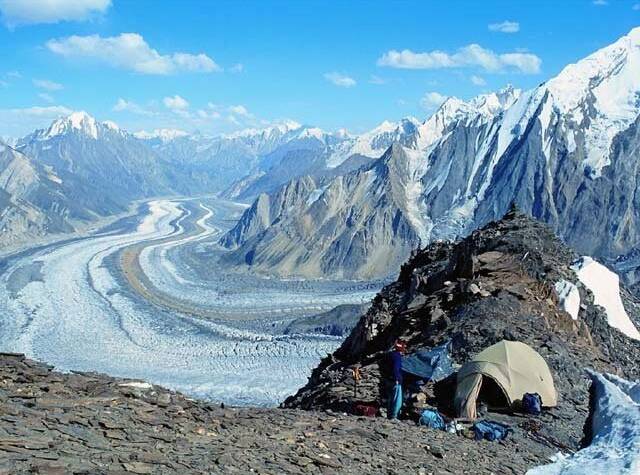
CPEC is economizing the Mountainous Gilgit Baltistan

Published

on

CPEC is benefiting Pakistan from Gilgit Say Gwadar, Karachi Say Peshawar. Means it is covering up each and every region and turning them into the paths of progress. Mainly CPEC is working out to build up the infrastructure. Besides this CPEC is also working in different domains like Technical Training, Skill Development, and many others.

(The Daily CPEC): While welcoming multiple initiatives of the Technical Vocational Education and Training Sector Support Program (TVET SSP) and international donors for producing skilled manpower in the region, Speaker Gilgit-Baltistan Legislative Assembly Syed Amjad Ali Zaidi on Monday said that the region could grab substantial benefits of China Pakistan Economic Corridor (CPEC) projects by providing a skilled workforce that could bring economic and social development of the local people.

He expressed these remarks while addressing a donors’ conference organized by the Directorate of Technical Education and Skills Development (DTESD), GB, in collaboration with the TVET Sector Support Program (TVET SSP) in Skardu.

The purpose of the event was to ensure sustainability as well as promotion of the TVET program in the region through the enhanced collaboration of donors, according to a statement received here.

Education Minister GB Raja Azam Khan, Secretary Education Iqbal Hussain Khan, Head of Cooperation of EU Delegation in Pakistan Ovidiu Mic, Head of TVET SSP Iris Cordelia Rotzoll, and Director TESD Faizullah Lone along with representatives from donors’ organizations attended the conference.

The GB Speaker mentioned that in the CPEC scenario, the region was witnessing a number of mega economic interventions especially the construction of dams and roads network, unexplored mineral resources, tourism, trade, renewable energy, and emerging IT sector which was a huge job market and “We can get major benefits of this market by producing a skilled force.”

“To cater to this situation, it requires an effective TVET system that can adapt and produce the required trained workforce in GB, so that upcoming positions can be filled by a Pakistani workforce,” he maintained.

The speaker also said that the partnership between DTESD, TVET SSP, and other development partners would help train the required workforce to meet the challenges for prosperity and economic growth in GB.

Addressing the audience, Ovidiu Mic said that the collaborative efforts of various development partners in this region could further build on what the EU and its development partners had initiated with our engagement over the past decade. This region has a lot of scope for a variety of skills in sectors such as construction, engineering, hospitality, information technology, and renewable energy, and “We look forward to continuing our engagement in the TVET sector.”

The TVET SSP, which is funded by European Union, Germany, and the Royal Norwegian Embassy, is implemented by the National Vocational and Technical Training Commission (NVTTC) and the Deutsche Gesellschaft für Internationale Zusammenarbeit (GIZ), in collaboration with regional TEVTAs, PVTC, and regional TVET bodies like GB DTESD.

The GB government is taking concrete steps for the promotion of the TVET sector through the approval of the TVET Act 2018 of Gilgit Baltistan. The legislative process has opened doors for real-time reforms in the TVET Sector of this remote region. Some key initiatives of TVET SSP in Gilgit-Baltistan include human resource development and private sector engagement in TVET.

Through this conference, the GB government provided a platform to present a roadmap for the sustainability of interventions of TVET SSP carried out since 2011 in the region. It will also encourage the TVET sector to attract donors and partners for the funding of key areas of the 5-year TVET Policy Implementation Plan and the Gilgit Baltistan TVET Strategy (2021-30).

Continue Reading

Pakistan

Pakistan’s Mineral Wealth: A New Strategic Power Rising

Published

on

By

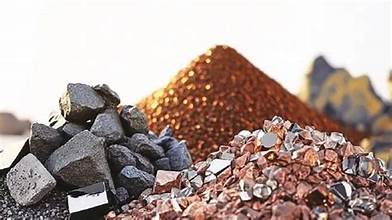
Pakistan, a land blessed with mountains, deserts, and rivers, hides within its soil treasures far beyond imagination — a vast reserve of minerals and metals that can redefine the nation’s economic destiny. From gold and copper to lithium and rare-earth elements, these natural resources are not only Pakistan’s hidden wealth but also the foundation of its future strategic power.

A Land of Untapped Resources

Pakistan’s geography places it at the crossroads of Asia — connecting South Asia, Central Asia, and the Middle East. Beneath this strategically vital land lies immense mineral potential:

  • Gold and Copper from Reko Diq in Balochistan, one of the largest deposits in the world.
  • Coal from Thar, capable of powering the nation’s energy needs for centuries.
  • Emeralds and Gemstones from Swat and Chitral, admired globally for their purity and brilliance.
  • Chromite, Iron Ore, and Gypsum found across Khyber Pakhtunkhwa, Punjab, and Sindh.
  • And most importantly — Lithium, Cobalt, and Rare Earth Elements, the building blocks of modern technology: electric vehicles, batteries, aerospace, and defense systems.

From Resource to Strategic Power

In today’s world, minerals are not just economic assets — they are strategic tools that shape global influence.
Countries rich in critical minerals control the pace of innovation and energy transition. With the world moving toward clean energy and electric mobility, Pakistan’s reserves of lithium and rare-earth minerals can position it as a key player in the global supply chain.

The Opportunity Ahead

What Pakistan needs is a vision — a national framework that turns these raw minerals into refined industries.
Investment in mining technology, processing plants, and research centers can generate thousands of jobs, attract foreign investors, and reduce dependency on imports.

Equally important is the role of transparency and environmental responsibility, ensuring that mineral development benefits the people, protects the land, and supports sustainable growth.

One Nation, One Vision

The story of Pakistan’s mineral wealth is not just about resources — it’s about national unity and shared prosperity.
If the government, private sector, and youth come together under one vision — Aik Qaum, One Nation — then Pakistan can rise as a strategic economic power, not by chance, but by choice.

Pakistan’s mountains are not merely stones;
they are the pillars of a new industrial revolution waiting to emerge.
The world is shifting — and Pakistan is ready to shine.

Pakistan — rich in minerals, rich in potential, rich in promise.

Continue Reading

Uncategorized

APHC urges Kashmiris to observe October 27 as Black Day

Published

on

By

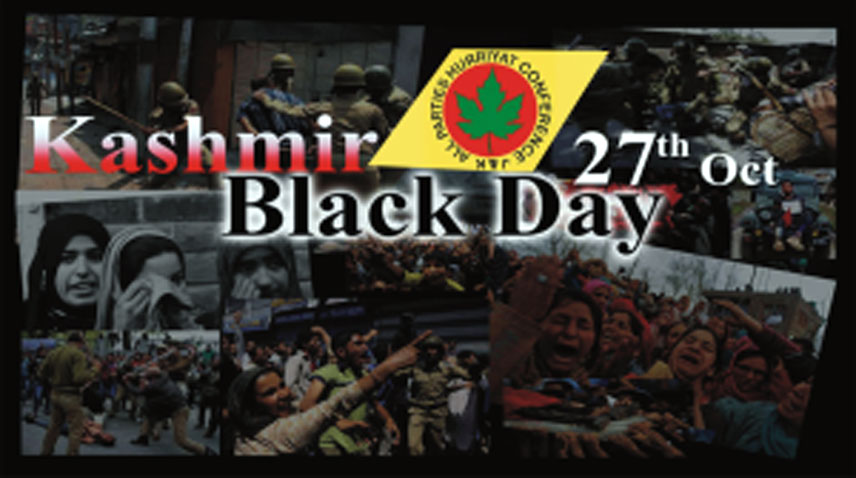
he All Parties Hurriyat Conference (APHC) has urged Kashmiris to observe October 27 as a Black Day to record their protest against the 1947 Indian military intervention in occupied Jammu and Kashmir against the will of the Kashmiri people.

The APHC cites this date as the beginning of India’s brutal occupation of the territory, a move violated the Partition Plan and disregarded the Kashmiri people’s aspirations.

APHC General Secretary Moulvi Bashir Ahmed Irfani in a statement in Srinagar reiterated the Kashmiri people’s commitment to their struggle for self-determination.

Continue Reading

Uncategorized

Nadir Magsi – The Passion behind the Rally Motorsports in Pakistan

Published

on

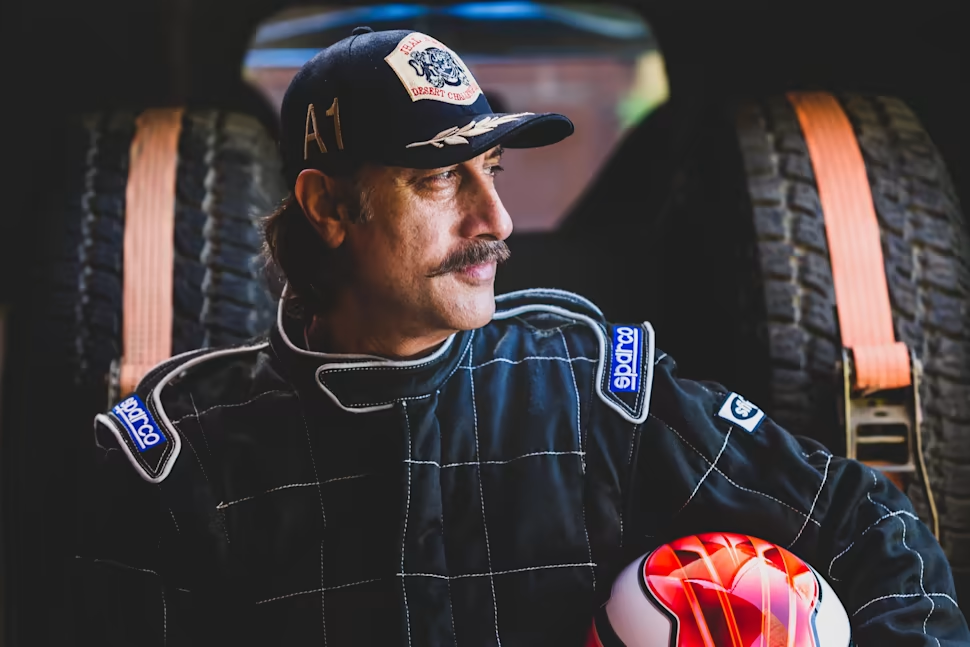
Motorsports have been a lifelong passion for Nadir Magsi, deeply ingrained in his family’s heritage. Both his grandfather and father shared a fervent enthusiasm for motorsports, passing down this exhilarating legacy. For Nadir, it was more than a hobby; it was a family tradition. His journey behind the wheel began at an early age, crafting his first vehicle at the tender age of 10, ingeniously using a generator engine and a Triumph gearbox.

The expansive and arid terrain of his ancestral land in Jhal Magsi served as an ideal playground for off-road driving. Those precious school vacations were eagerly awaited, as they meant more time to indulge in his driving passion. Little did he know that years down the road, he would spearhead an endeavor to transform the Jhal Magsi car rally into one of the premier off-road events in Pakistan, and indeed, a global sensation.

Nadir’s education in motorsports took an international detour when he spent five years in the United States. It was there that he honed his skills in karting, mastering the art of precision driving. He firmly believes that karting serves as the foundational training ground for aspiring rally drivers, offering essential technical expertise.

Upon returning to Pakistan from the United States, he found the local motorsports scene in its infancy. Although Pakistan had seen a few off-road events in Chowlistan in 1994-95, these were sporadic occurrences, far from being regular fixtures on the motorsports calendar. Nadir marked his formal debut in the Chowlistan rally and has been a steadfast participant in every rally held in Pakistan ever since, securing victories in a significant majority of them.

Among the four major rally events in Pakistan, namely Chowlistan, Thal, Gwadar, and Jhal Magsi, the latter holds a special place in Nadir’s heart. Beyond its sentimental value as his hometown, he considers Jhal Magsi the most challenging due to its diverse terrains, necessitating drivers to adapt to varying conditions. He firmly believes that anyone who can navigate the Jhal Magsi course can compete in rallies across the world.

While motorsports in Pakistan are still in a nascent stage, organizations like Pakistan Motor Sports, led by passionate motorsports enthusiasts in the private sector, have been instrumental in its development. The government’s support has been limited, but there are promising signs on the horizon.

Nadir holds the Pakistan Army in high regard for its pivotal role in facilitating major rallies like Gwadar, Jhal Magsi, and Chowlistan. He recognizes that without the army’s assistance, the rally scene in Pakistan would not have reached its current level.

Currently, motorsports enthusiasts participate out of sheer love for the sport, without significant recognition or financial rewards. Nadir is hopeful that one day, the corporate sector, especially automobile manufacturers, will recognize the benefits of supporting motorsports and participate for their own gain, as they stand to gain considerable exposure from event coverage.

He also anticipates that media coverage of motorsports events will continue to expand, garnering public attention and achieving the recognition it rightfully deserves. When asked about the future of the rally scene in Pakistan, Nadir is optimistic. He has unwavering faith in the potential of Pakistani drivers and is dedicated to mentoring and assisting new talents without seeking personal credit.

Nadir firmly believes that true potential can only be unleashed when the corporate sector invests in motorsports, providing financial stability, recognition, and rewards. He commends Red Bull for its substantial support of motorsports in Pakistan since 2004.

Additionally, he hopes that academies and karting facilities will emerge in Pakistan to train young aspiring drivers from an early age. While National Motor Sports does its part to support drivers, Nadir stresses that government and corporate backing can revolutionize the motorsports landscape in Pakistan, ushering in a new era of opportunities for motorsports enthusiasts.

Continue Reading

Most Popular

English اردو