Article
Roshgol Glacier: A Hidden Gem of the Hindu Kush
Published
2 years agoon
By
EDITOR
Nestled in the remote valleys of Chitral District in northern Pakistan, the Roshgol Glacier is a lesser-known yet significant glacier in the Hindu Kush mountain range. It plays a crucial role in the hydrology and ecology of the region, providing vital meltwater to sustain local communities and supporting a rich biodiversity in its surroundings. Though it may not be as famous as the nearby Tirich Mir Glacier, Roshgol Glacier is a critical feature of the Chitral landscape, both geographically and environmentally.
Geographic Location.
The Roshgol Glacier is situated in the Roshgol Valley, a tributary of the Yarkhun Valley in the upper Chitral region of Khyber Pakhtunkhwa province. The glacier lies within one of the most remote and rugged areas of the Hindu Kush, a mountain range that spans from Afghanistan into northern Pakistan. This region is known for its dramatic peaks, deep valleys, and harsh yet stunning landscape.
- Coordinates: Approximately 36°N latitude and 72°E longitude.
- Elevation: The glacier is found at high altitudes, ranging from 4,000 to 6,000 meters (13,000 to 19,000 feet), making it a part of one of the world’s highest and most formidable mountain ranges.
Physical Characteristics
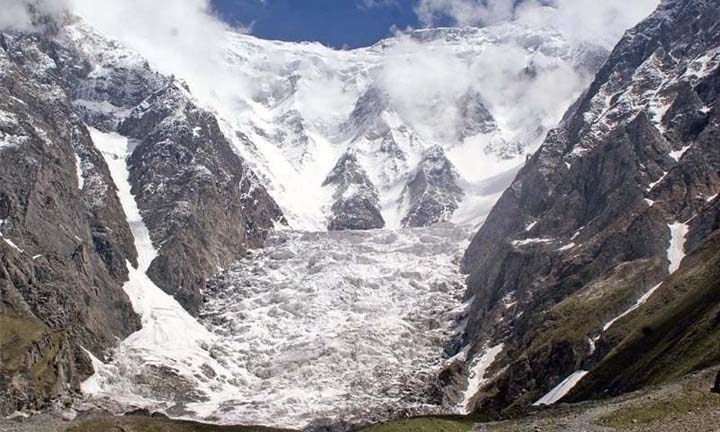
Roshgol Glacier, like many glaciers in the Hindu Kush, is characterized by its rugged terrain, crevasses, and seracs. Its physical properties are shaped by the complex interplay of elevation, temperature, and snow accumulation, which all contribute to its flow and volume.
- Length: The glacier extends for several kilometers, though its exact length is subject to seasonal changes and climatic conditions.
- Surface Features: The glacier’s surface is marked by a mix of solid ice and moraines (debris carried along by the glacier), with visible cracks and crevasses.
- Flow: Roshgol Glacier flows down from the higher altitudes of the surrounding peaks, feeding into the Roshgol River, which eventually joins the larger Yarkhun River.
Climate and Environmental Importance
The Roshgol Glacier plays a vital role in the hydrological cycle of the Chitral region. Like other glaciers, it acts as a natural reservoir, storing water in the form of ice during the winter and releasing it as meltwater during the warmer summer months. This steady flow of meltwater is crucial for maintaining river levels, especially during the dry season when rain is scarce.
Indicator of Climate Change
Roshgol Glacier, like many other glaciers in the Hindu Kush and Himalayas, is sensitive to the effects of global climate change. Rising temperatures and shifting weather patterns have caused a retreat in many of the region’s glaciers, and Roshgol is no exception. The glacier’s retreat threatens the long-term availability of meltwater for the region, which could have serious consequences for agriculture, drinking water supply, and hydroelectric power generation.
Ecological Significance
The glacier supports a variety of ecosystems in the Roshgol Valley and the surrounding region. The meltwater from the glacier irrigates farmland and sustains a variety of plant and animal life. Alpine meadows and high-altitude forests thrive in the valleys below, providing habitat for wildlife such as:
- Himalayan ibex: A wild goat species known for navigating steep, rocky terrain.
- Snow leopards: These elusive predators roam the high mountains around the glacier.
- Bird species: Including the chukar partridge, golden eagles, and various migratory birds that pass through the region.
The combination of glacial meltwater and the valley’s rich soil makes it possible for local communities to grow crops such as wheat, barley, and vegetables, as well as maintain orchards of apples, apricots, and walnuts.
Cultural and Historical Context
The Roshgol Glacier and the valley it occupies hold cultural significance for the people of Chitral. The region has a long history of isolation due to its rugged terrain, and the glacier has been both a lifeline and a barrier for those living in the valley. For centuries, the residents of the Roshgol Valley have relied on the glacier for their water supply, which sustains their agricultural activities and their way of life.
The Hindu Kush range, where the Roshgol Glacier is located, has historically been a strategic region, with ancient trade routes passing through its valleys. While the glacier may not be a primary focus of historical texts, its presence has undoubtedly shaped the lives of those living in its shadow for generations.
Mountaineering and Exploration
While not as famous as other glaciers in the region, Roshgol Glacier is occasionally visited by trekkers and mountaineers who seek to explore the less-traveled routes of the Hindu Kush. Its remote location and challenging terrain make it a destination for adventurers looking for solitude and untouched natural beauty. The glacier offers a unique trekking experience, with views of snow-capped peaks, narrow valleys, and the unspoiled landscape of northern Pakistan.
The trek to the glacier is not for the faint-hearted, as it requires traversing rugged mountain paths and navigating steep inclines. However, for those willing to undertake the journey, the rewards are immense—pristine glacial landscapes, unparalleled views, and a deep connection to the natural environment of the Hindu Kush.
Challenges and Conservation
Like many glaciers in the region, the Roshgol Glacier faces challenges related to climate change and human activity. The retreat of the glacier due to rising global temperatures could have serious consequences for the local water supply, agriculture, and the ecosystem. Additionally, the region is vulnerable to glacial lake outburst floods (GLOFs), which occur when the natural dams of glacial lakes break, releasing large volumes of water that can devastate downstream communities.
Conservation Efforts
Efforts to monitor and protect glaciers like Roshgol are essential for ensuring the long-term sustainability of the region’s water supply. Programs focused on glacier monitoring, climate change adaptation, and disaster preparedness are crucial in helping local communities adapt to the changing environment.
Educating local populations about sustainable water management practices, raising awareness about the impacts of climate change, and promoting conservation initiatives can all contribute to preserving the glacier and its surrounding ecosystem.
Conclusion The Roshgol Glacier may be lesser-known than some of the more famous glaciers in the Hindu Kush, but it is no less important. As a source of life for the people of Chitral and a crucial part of the region’s ecosystem, this glacier deserves recognition for its environmental, cultural, and historical significance. Protecting the Roshgol Glacier and other glaciers in the Hindu Kush is essential not only for the people who depend on them today but also for future generations who will inherit this extraordinary landscape
You may like
-
Pakistan’s “King of Fruits” — Mango Season Begins
-
Dr. Abdul Qadeer Khan: 90 Years of Legacy, Strength, and National Pride
-
DPM in Beijing on official visit to China
-
Pakistan, KSA, Turkiye & Egypt discuss ways to end war in region
-
“Rising above the rugged terrain of Balochistan, Koh-i-Chiltan stands as a symbol of mystery and resilience.”
-
The Chiltan Ibex: A Rare Treasure of Balochistan
Article
“Rising above the rugged terrain of Balochistan, Koh-i-Chiltan stands as a symbol of mystery and resilience.”
Published
1 month agoon
March 30, 2026By
EDITOR
Koh-i-Chiltan, located in the rugged terrain of Balochistan, Pakistan, is not just a striking natural feature but also a site steeped in folklore, mysticism, and ecological significance. Rising to a height of approximately 3,194 meters (10,479 feet), it is the third-highest peak in the Chiltan range, forming part of the Sulaiman Mountain system. The mountain holds a commanding presence in the landscape and attracts mountaineers, nature lovers, and those intrigued by its legends.
Geography and Location
Koh-i-Chiltan is situated within the Hazarganji-Chiltan National Park, about 20 kilometers southwest of Quetta, the provincial capital of Balochistan. The name “Koh-i-Chiltan” translates to “The Mountain of Forty Spirits,” derived from local folklore that has become intertwined with its identity.
The surrounding park, spread across 32,500 acres, is a semi-arid region characterized by rugged cliffs, deep ravines, and sparse vegetation. The area is home to a diverse ecosystem, ranging from juniper forests to an array of fauna, including the Chiltan markhor, a rare wild goat species named after the mountain.
The Legend of the Forty Spirits
The legend of Koh-i-Chiltan is one of the most captivating tales of the region. According to local folklore, the mountain is haunted by the spirits of forty abandoned children. The story goes that a couple, unable to have children, sought help from a mystic who blessed them with forty babies. Overwhelmed by the burden of raising so many children, the couple is said to have abandoned them on the mountain.
The children, according to the legend, were nurtured by the mountain itself and eventually transformed into spirits. Locals believe these spirits still guard the mountain, and stories abound of mysterious voices, sightings, and unexplainable phenomena experienced by those who venture into the area.
This haunting narrative has contributed to the mountain’s mystique, drawing spiritual seekers and adventurers alike to experience its enigmatic aura.
Ecological Importance
Koh-i-Chiltan is not just a place of legends but also a significant ecological zone. The mountain and its surrounding national park serve as a critical habitat for the endangered Chiltan markhor, which is endemic to the region. Efforts to conserve this species have made the mountain a focal point for environmentalists and wildlife researchers.
The park also hosts other wildlife, including wolves, hyenas, foxes, and various bird species, making it a biodiversity hotspot. The juniper forests in the region are among the oldest in the world, some dating back several thousand years, and play a vital role in maintaining the ecological balance of the arid environment.
Tourism and Adventure
Koh-i-Chiltan is a growing destination for eco-tourism and adventure enthusiasts. Trekkers and climbers are drawn to the mountain’s challenging trails, which offer panoramic views of the surrounding landscapes. The Hazarganji-Chiltan National Park provides additional opportunities for hiking, wildlife observation, and photography.
Visitors to the mountain often report an eerie silence and a sense of being watched, experiences that only add to the allure of exploring Koh-i-Chiltan. Those interested in local culture and history will find the legends and traditions associated with the mountain as compelling as its natural beauty.
Cultural Significance
For the people of Balochistan, Koh-i-Chiltan holds cultural and spiritual importance. The mountain is a symbol of resilience and mystery, reflecting the character of the region itself. Local festivals and storytelling often feature the legend of the forty spirits, preserving the mountain’s legacy in the collective memory of the community.
Challenges and Conservation Efforts
Despite its significance, Koh-i-Chiltan faces challenges such as deforestation, overgrazing, and climate change. Conservation efforts, led by both government and non-governmental organizations, aim to protect the mountain’s delicate ecosystem. Initiatives include reforestation programs, wildlife monitoring, and community engagement to promote sustainable tourism.
Article
The Chiltan Ibex: A Rare Treasure of Balochistan
Published
1 month agoon
March 30, 2026By
EDITOR
The Chiltan ibex (Capra aegagrus chiltanensis), a subspecies of the wild goat, is one of the most unique and endangered animals native to Pakistan. Found exclusively in the rocky highlands of the Chiltan range within the Hazarganji-Chiltan National Park in Balochistan, this elusive animal represents the region’s rich biodiversity and ecological heritage.
Physical Characteristics
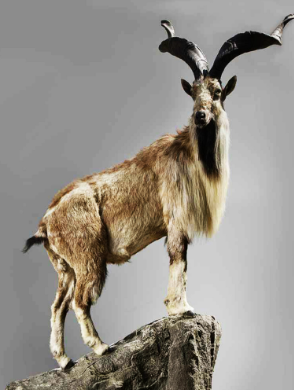
The Chiltan ibex is a strikingly beautiful species, with a robust, muscular build perfectly suited for navigating steep and rocky terrains. Males are particularly distinctive, boasting impressive curved horns that can grow up to 30 inches (76 cm) in length. Their coat is light brown, with a darker stripe running along their back and legs, providing excellent camouflage in their arid mountainous habitat.
Females are smaller in size with shorter, more slender horns, and their coloration is less pronounced, blending seamlessly into their surroundings. This camouflage helps protect them and their offspring from predators such as wolves and large birds of prey.
Habitat and Range
The Chiltan ibex inhabits the rugged, semi-arid regions of the Chiltan range, located within the Hazarganji-Chiltan National Park, southwest of Quetta. These high-altitude areas, ranging from 1,500 to 3,200 meters above sea level, are characterized by rocky cliffs, sparse vegetation, and extreme weather conditions.
The ibex is well-adapted to this challenging environment, where it feeds on grasses, shrubs, and the leaves of juniper trees. Its ability to climb steep slopes and jump across narrow ledges gives it a unique advantage in escaping predators and surviving in such inhospitable terrain.
Behavior and Social Structure
Chiltan ibexes are diurnal, meaning they are active during the day. They are typically found in small groups, with herds consisting of females and their young. Males are more solitary, joining herds only during the breeding season, which occurs in the late autumn and winter months.
During this time, males engage in dramatic displays of strength to compete for mating rights, including horn clashing and dominance rituals. After a gestation period of around six months, females give birth to one or two kids in spring, when food availability is higher.
Conservation Status
The Chiltan ibex is classified as endangered due to its restricted range, habitat loss, and poaching. Habitat degradation caused by overgrazing, deforestation, and human encroachment poses significant threats to its survival.
Historically, the ibex faced heavy hunting pressure for its horns, considered a symbol of prestige, and for its meat. Although hunting is now banned in the national park, illegal poaching remains a concern.
Conservation Efforts
To protect the Chiltan ibex and its fragile ecosystem, the Hazarganji-Chiltan National Park was established in 1980. Spanning over 32,500 acres, the park provides a safe haven for the ibex and other wildlife, such as wolves, foxes, and birds of prey.
Conservation efforts include:
- Anti-Poaching Measures: Increased patrolling and strict enforcement of hunting bans have helped reduce poaching incidents.
- Habitat Restoration: Programs to control overgrazing and reforest juniper woodlands are underway to restore the ibex’s natural habitat.
- Public Awareness Campaigns: Local communities are being educated about the importance of biodiversity and the role of the Chiltan ibex in maintaining ecological balance.
- Eco-Tourism Initiatives: Promoting responsible tourism generates revenue for conservation projects and raises awareness about the ibex’s plight.
Ecological Importance
The Chiltan ibex plays a vital role in its ecosystem as both a grazer and prey species. By feeding on shrubs and grasses, it helps maintain vegetation balance, preventing overgrowth and contributing to soil health. At the same time, it serves as a food source for predators, sustaining the natural food chain.
Protecting the ibex is not just about saving a single species—it’s about preserving an entire ecosystem that supports numerous forms of life, from tiny insects to apex predators.
Cultural Significance
For the people of Balochistan, the Chiltan ibex is more than just a wild animal; it is a symbol of the region’s natural beauty and resilience. Local folklore often intertwines with the ibex, celebrating its agility and strength. The species also draws international attention, making it a flagship for wildlife conservation in Pakistan.
The Future of the Chiltan Ibex
While conservation efforts have shown promise, the Chiltan ibex remains vulnerable. Protecting this rare species requires continued collaboration between government agencies, conservation organizations, and local communities.
By safeguarding the Chiltan ibex, we not only preserve a unique animal but also protect the fragile ecosystem of Balochistan, ensuring that future generations can marvel at the beauty and resilience of this incredible species.
The Chiltan ibex is a testament to nature’s ability to adapt and survive in the harshest of environments. As efforts to protect it continue, this majestic animal stands as a beacon of hope for wildlife conservation in Pakistan.
Article
“AI is the new battlefield — and China is already there.”
Published
2 months agoon
March 18, 2026By
EDITOR
“In the coming era, wars won’t just be fought—they will be engineered.”
Every spring, China’s Two Sessions – the combined annual plenary sessions of the National People’s Congress and of the National Committee of the Chinese People’s Political Consultative Conference – provide a window into the country’s political priorities.
This year’s gathering delivered a particularly clear signal: In a world of growing geopolitical turbulence, Beijing is placing security and military modernization firmly at the center of its long-term strategy.
The 2026 sessions unfolded against a complicated economic backdrop. China’s economy continues to grow, but at a slower pace than in previous decades. Yet the meetings made clear that economic caution does not mean strategic hesitation. Instead, the leadership is doubling down on the idea that development and security must reinforce each other.
President Xi Jinping underscored this point by placing the modernization of the People’s Liberation Army (PLA) at the core of China’s future planning. The military, in fact, is expected to play a substantial role in the country’s 15th Five-Year Plan, which will guide development from 2026 to 2030.
This plan reflects a fundamental shift in China’s strategic thinking: The alignment of economic policy with national security priorities. At the heart of this approach is technological self-reliance – especially in sectors linked to defense, advanced manufacturing, and AI.
For the PLA, the next stage of modernization is already taking shape. Chinese strategists describe it as ‘intelligentization’, the integration of AI, autonomous systems, and advanced data networks into military operations. The concept represents the third phase of China’s military transformation, following earlier stages of mechanization and informatization.
In practical terms, intelligentization means using AI-driven technologies to accelerate battlefield decision-making, improve command and control systems, and give military commanders greater situational awareness. The aim is to achieve “decision-making dominance” – the ability to process information faster and act more effectively than potential adversaries.
This vision also reflects how Beijing sees the future of warfare. Conflicts are no longer expected to unfold solely on traditional battlefields. Instead, they may span multiple domains simultaneously, blending physical, virtual, and cognitive spaces. Chinese analysts increasingly refer to these future conflicts as ‘meta-wars’, where cyber operations, information warfare, AI, and psychological influence combine with conventional military power.
To prepare for this environment, the PLA has been instructed to focus on a series of cutting-edge technologies. AI sits at the center of the agenda, alongside quantum computing, hypersonic weapons, and advanced surveillance systems. Together, these capabilities are expected to help China secure the strategic high ground in a world defined by intensifying technological competition.
One of the key tools for achieving this transformation is military-civil fusion. The concept – long promoted by the Chinese leadership – seeks to break down barriers between civilian innovation and military research. By integrating universities, private companies, and state-owned industries into defense development, Beijing hopes to accelerate technological breakthroughs while strengthening the country’s broader industrial base.
At the same time, the Two Sessions highlighted the importance of discipline and oversight within the military itself. Addressing a plenary meeting of the PLA and People’s Armed Police delegation at the National People’s Congress on March 7, Xi stressed the need for strict supervision of military projects and financial flows during the upcoming planning cycle.
The message was unmistakable: Modernization requires accountability. Xi called for tighter monitoring of major military programs, stricter control over the use of funds, and stronger oversight of military-civil integration projects. In his words, there must be “no place” in the armed forces for corruption or political disloyalty.
The remarks come amid the most significant reshuffling of China’s senior military leadership in decades. Over the past several years, dozens of high-ranking officers have been removed from their posts or stripped of political positions following disciplinary investigations.
Official figures show that since the Communist Party’s 20th Congress in 2022, at least 36 senior officers have lost their status as delegates to the National People’s Congress. Some analysts estimate that more than 100 senior PLA officers may have been investigated or purged during the same period.
While corruption charges have often been cited, the campaign reflects broader strategic objectives. Since coming to power in 2012, Xi Jinping has made military reform one of his central priorities. Corruption, in his view, undermines operational effectiveness and slows the modernization process.
Equally important is political cohesion. Unlike many national militaries, the PLA is formally loyal not to the state but to the Communist Party. Ensuring ideological discipline within the officer corps is therefore seen as essential to maintaining stability and unity during a period of rapid transformation.
Despite the scale of these changes, there is little evidence that they have disrupted the military’s operational capabilities. Instead, they appear aimed at ensuring that the officers responsible for implementing China’s modernization agenda are both capable and politically reliable.
Alongside internal reform, China’s defense budget continues to expand at a measured pace. For 2026, Beijing announced military spending of roughly 1.9 trillion yuan – around $278 billion – representing an increase of around 7%. This follows three years of similar growth.
While China’s share of Asia’s military expenditure has risen significantly – reaching nearly 44% in 2025 – the country’s defense spending remains modest compared with that of the United States. Washington’s military budget stands at around $1.01 trillion, more than three times China’s.
Relative to the size of its economy, China allocates around 1.26% of GDP to defense, far below the roughly 3.5% spent by the US. The country’s defense spending remains moderate, transparent, and economically sustainable.
The emphasis is not on building a global military presence comparable to that of the US, which maintains hundreds of overseas bases. Instead, Beijing’s priority is to ensure credible deterrence and protect national sovereignty while maintaining stability in its surrounding region.
Much of the new funding will go toward advancing the PLA’s technological capabilities. Investments are expected to support the development of advanced missiles, next-generation naval platforms, submarines, and sophisticated surveillance systems, while also accelerating the integration of smart technologies into military operations.
In other words, China’s defense strategy increasingly prioritizes quality over quantity – leveraging innovation to enhance strategic effectiveness without dramatically expanding overall spending.
The broader context for these decisions lies in the rapidly changing global security landscape. Chinese policymakers see the international system moving away from a unipolar order dominated by a single superpower toward a more complex multipolar arrangement.
Insights into this worldview were recently articulated by China’s minister of state security, Chen Yixin. In remarks outlining the country’s broader security outlook, Chen argued that the decline of unipolar dominance and the rise of multipolarity – particularly with the growing influence of the Global South – are reshaping global politics.
At the same time, he warned that this transition is generating instability. Geopolitical rivalries are intensifying, technological competition is accelerating, and economic fragmentation is deepening. In this environment, securing key technologies, strategic resources, and industrial supply chains has become a national security priority.
China’s leadership has therefore embraced what it describes as a comprehensive approach to security. The concept, sometimes summarized as building an “impenetrable Great Wall of national security,” emphasizes the integration of economic resilience, technological innovation, social stability, and military strength.
Within this framework, Taiwan remains a central concern. Chinese officials consistently describe national reunification as essential to the country’s long-term development goals, even as Beijing continues to emphasize peaceful reunification as its preferred path.
At the same time, China is increasingly focused on protecting the overseas interests that accompany its role as the world’s largest trading nation. From maritime trade routes to infrastructure projects abroad, safeguarding economic connectivity has become an important dimension of national security.
Taken together, the signals from the 2026 Two Sessions reveal a leadership focused on long-term strategic preparation. China is not simply expanding its military capabilities – it is reshaping the relationship between security, technology, and development.
China’s answer to the existing challenges appears to be a strategy of calibrated strength: Investing in advanced technologies, strengthening national security institutions, and maintaining steady – but restrained – defense spending.
In an increasingly uncertain world, Beijing’s message is clear. Security and development are no longer separate ambitions. They are two sides of the same strategic coin.
Source:- https://www.rt.com/news/635369-china-modern-ai-army/
Pakistan’s “King of Fruits” — Mango Season Begins
Dr. Abdul Qadeer Khan: 90 Years of Legacy, Strength, and National Pride