Connect with us

Pakistan

CPEC promotes Pak-China cooperation in medical device industry: Chinese company

Published

on

BEIJING, June 26 (APP): As Pakistan is a key partner in the current $400 billion global medical device industries, some Chinese homegrown medical device companies are developing the market and seeking cooperation in Pakistan, and they say CPEC has promoted cooperation between the two countries in this area.

A Chinese medical enterprise Medcaptain Medical Technology Co. Ltd. (Medcaptain), founded in 2011 as an “Integrated Perioperative Solutions Provider” and dedicated to pursuing innovation in Medication Delivery, In-Vitro Diagnostics, Airway Management, and DVT Prevention, was one of these companies after entering Pakistani market for 6 years, China Economic Net (CEN) reported.

Serinna Tan, Director of Branding & International Marketing of Medcaptain said that CPEC has greatly contributed to medical cooperation since under this national strategy Chinese medical enterprises like them can enjoy better opportunities to communicate with Pakistan counterparts and bring their medical products to hospitals in need of such devices.

For example, the smart medication infusion workstation they applied in ICU has largely improved medical efficiency and ensured safety for local hospitals.

Tan added that talent exchange is also a bonus under CPEC, with an increasing number of medical staff and experts from both countries being able to communicate with each other through all kinds of academic conferences.

“Besides, more direct and indirect investment in the medical sector can come into the Pakistani market under CPEC,” she said.

According to a report from BMI Research, Pakistan’s medical device market will record double-digit growth over the 2019-2024 period. The market will benefit from strong, though slowing, economic growth, as well as the construction and upgrading of healthcare facilities.

Talking of cooperation in this field, Barry Ke, Sales Manager of Middle East & South Asia of Medcaptain, mentioned that there’s a difference in the medical system between China and Pakistan. “While Pakistani public hospitals may require the more utilitarian function of medical equipment for routine operation, private hospitals demand high-end brands,” Ke said.

“Thus we hope our medical products and technology can better satisfy local hospital’s clinical needs, and we are also planning to establish long-term strategic partnership with some high-end hospitals so that we can conduct more exchanges and communications,” Tan said, adding that they also aim at establishing an industry-university-research cooperation base with Pakistani hospital.

Besides, localization construction is also one focus for many Chinese companies who are seeking cooperation, such as local talent teams and factory building, which can bring employment and improve people’s livelihood.

Another Chinese medical company Chengdu Xinjin Shifeng Medical Equipment Co., Ltd. has jointly established a factory with a local partner in Pakistan since 2006, for which Pakistan provides land, human and market resources required for production, while China provides technology and equipment.

After years of mutual efforts, products manufactured by the factory have reached four major provinces and most military hospitals. Among them, the blood bag white blood cell filter produced by them helped Pakistan get rid of the long-term dependence on imports from Japan.

According to the National Medical Products Administration of China, China’s medical device industry has shown outstanding performance in recent years, with more than 25,000 medical device manufacturers and 897,000 operating enterprises in China at present.

Continue Reading

Pakistan

Pakistan Successfully Launches PRSE-EO2 Satellite into Space

Published

on

By

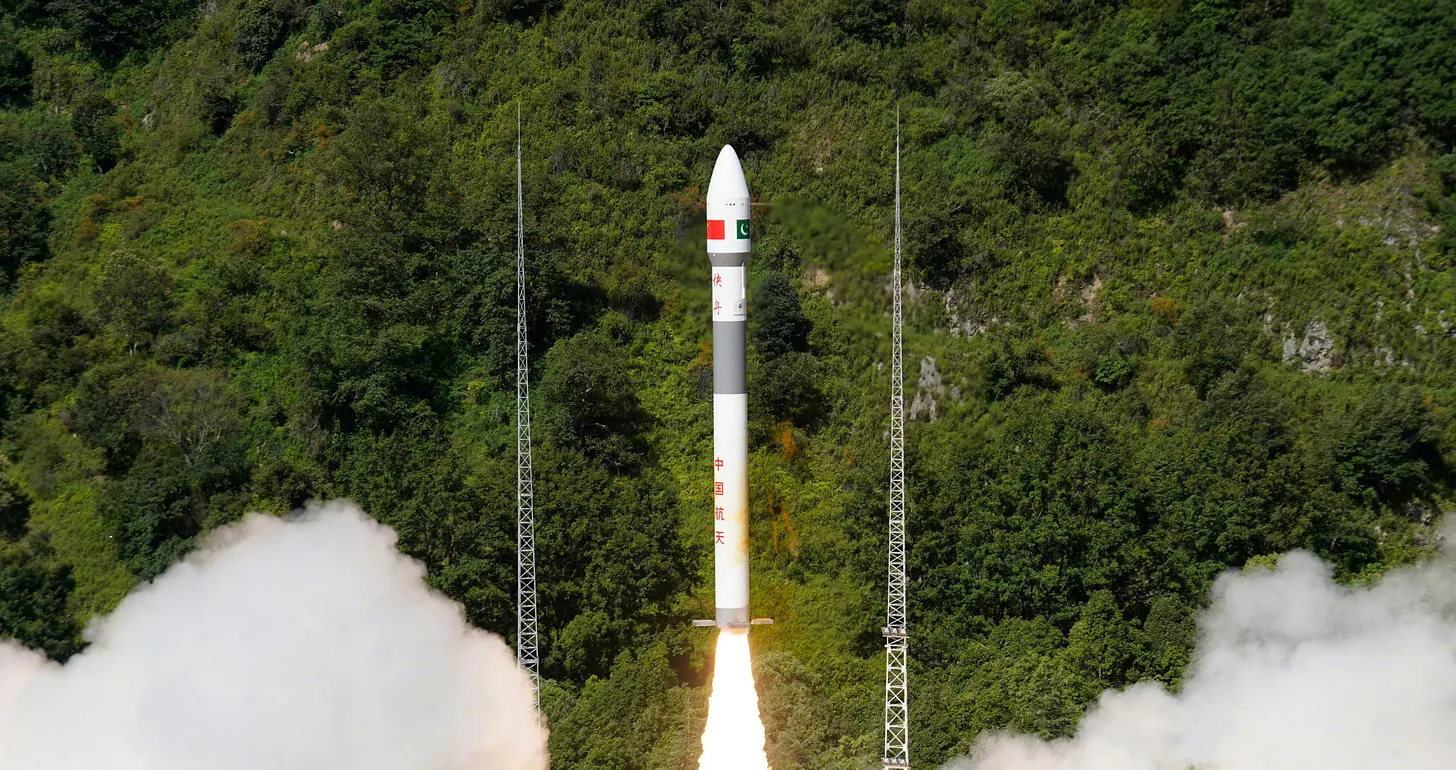
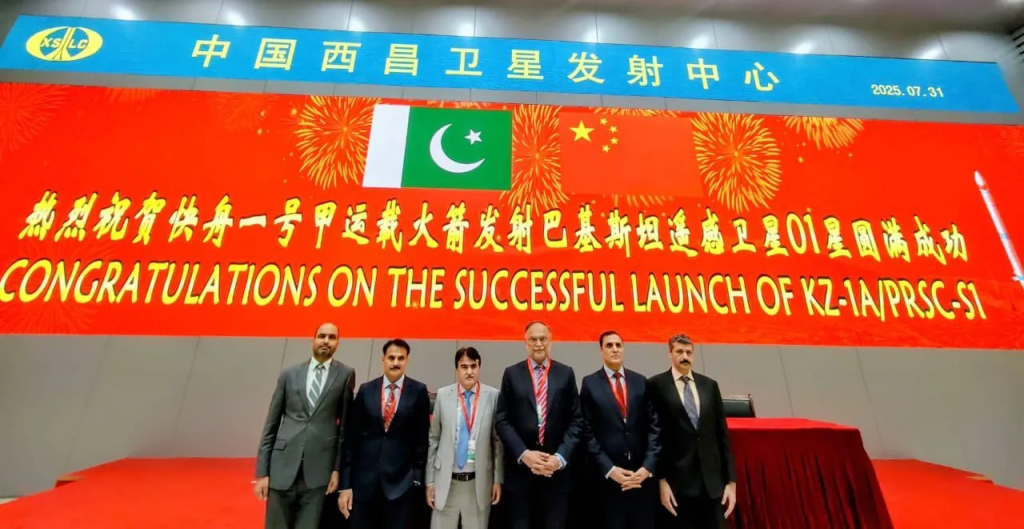
Pakistan has achieved another proud milestone in its space journey with the successful launch of the PRSE-EO2 satellite into orbit. This achievement reflects Pakistan’s growing strength in science, technology, and national capability, proving that the country is steadily advancing in modern space development.

The PRSE-EO2 satellite is designed to support Pakistan in multiple critical areas, including earth observation, mapping, environmental monitoring, and national development planning. With this satellite in space, Pakistan will be able to improve its ability to collect accurate data for agriculture, water management, urban planning, disaster monitoring, and climate-related challenges.
This success is a strong reminder that space technology is no longer a luxury—it is a necessity for nations that want to grow in the modern world. Satellites play an important role in helping countries manage their resources, respond to natural disasters, and strengthen national security through better monitoring and planning.

The successful launch of PRSE-EO2 also sends a positive message to Pakistan’s youth. It shows that Pakistan has the talent and potential to compete in advanced fields such as aerospace engineering, satellite technology, and artificial intelligence-driven systems. Such achievements inspire young minds to pursue careers in science and innovation, strengthening the country’s future.

Pakistan’s progress in space technology is not only a matter of national pride but also a strategic step toward long-term development. As the world becomes more data-driven, satellite-based information will be a powerful tool for smarter governance and faster progress.

The launch of PRSE-EO2 proves one clear reality: Pakistan is not standing still. Pakistan is moving forward. And with each successful mission, the nation strengthens its position as a country capable of innovation, modern research, and high-tech achievement.

This moment is a victory for Pakistan’s scientists, engineers, and institutions—and a hopeful sign for the future of a stronger, smarter, and more advanced Pakistan.
Continue Reading

Pakistan

Kashmir Day: A Voice for Dignity, Peace, and Justice

Published

on

By

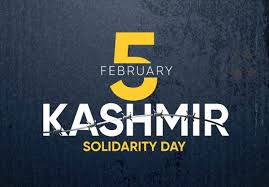
Every year on 5th February, Pakistan observes Kashmir Day to express solidarity with the people of Jammu and Kashmir. For many, it is a national tradition. But for those who understand the human reality behind the issue, it is far more than that. Kashmir Day is a reminder that millions of people still live with uncertainty, restrictions, and a future that remains unresolved.

As AikQaum, we believe Kashmir is not simply a political dispute. It is a human story. Behind every news report are families, children, students, and ordinary people who want what every human being wants: safety, dignity, and a peaceful life. Kashmir Day matters because silence does not reduce suffering. When the world stops speaking about Kashmir, the pain does not disappear—it only becomes less visible.

For Pakistan, Kashmir is an emotional and moral responsibility. It is tied to shared history, shared identity, and a deep sense of connection. But this responsibility must be carried with wisdom. Support for Kashmir should not be expressed through hatred or extreme language. It should be expressed through dignity, truth, and consistent advocacy based on human rights and international principles.

In today’s world, the Kashmir issue is also a battle of narratives. Misinformation spreads quickly, and emotional reactions often replace facts. This is where Pakistan’s youth have a powerful role. Young Pakistanis can support Kashmir by sharing verified information, raising awareness responsibly, and keeping the conversation alive in a way that the world can respect. A cause becomes stronger when it is represented with discipline and humanity.

Kashmir Day also reminds Pakistan of the importance of unity. A divided nation cannot carry a moral cause effectively. If Pakistan wants the world to listen, Pakistan must first stand together. Unity is not only a national value—it is a strategic necessity.

To the people of Kashmir, AikQaum’s message is clear: you are not forgotten. Your voices matter. Your courage is respected. Your future is important. Pakistan’s solidarity is not limited to one day; it is a long-term commitment rooted in conscience and shared humanity.

Kashmir Day is ultimately a day of conscience. It is a reminder that justice must be pursued with patience, wisdom, and peace. At AikQaum, we stand with Kashmir—firmly, respectfully, and with the belief that no people should remain unheard forever.

Continue Reading

Pakistan

“Winter Relief Drive Brings Warmth and Dignity to Islamabad’s Most Vulnerable”

Published

on

By

Providing a sense of security to deserving families in Islamabad during cold nights
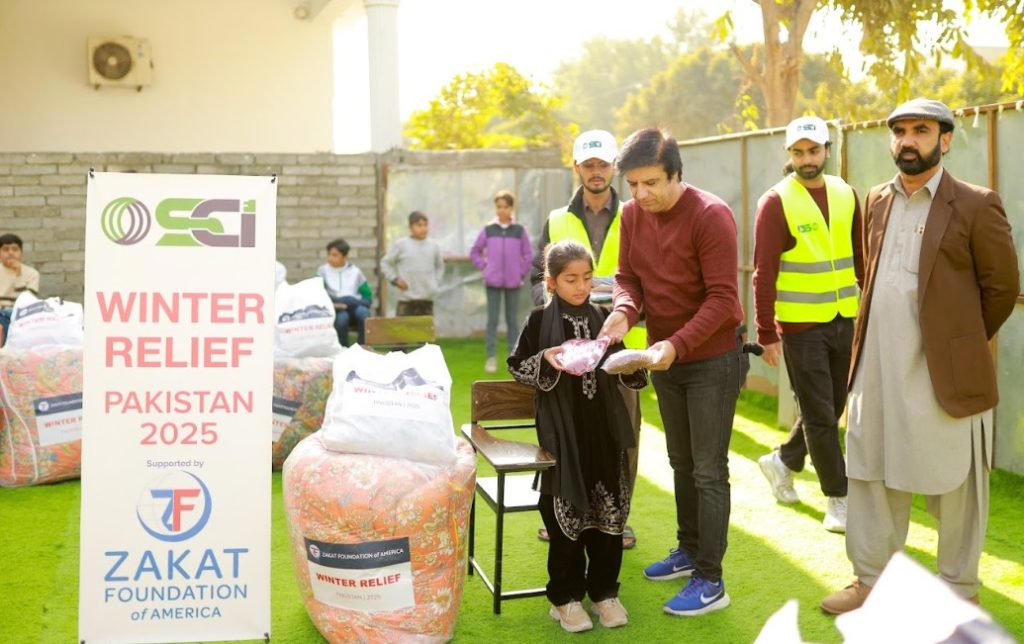
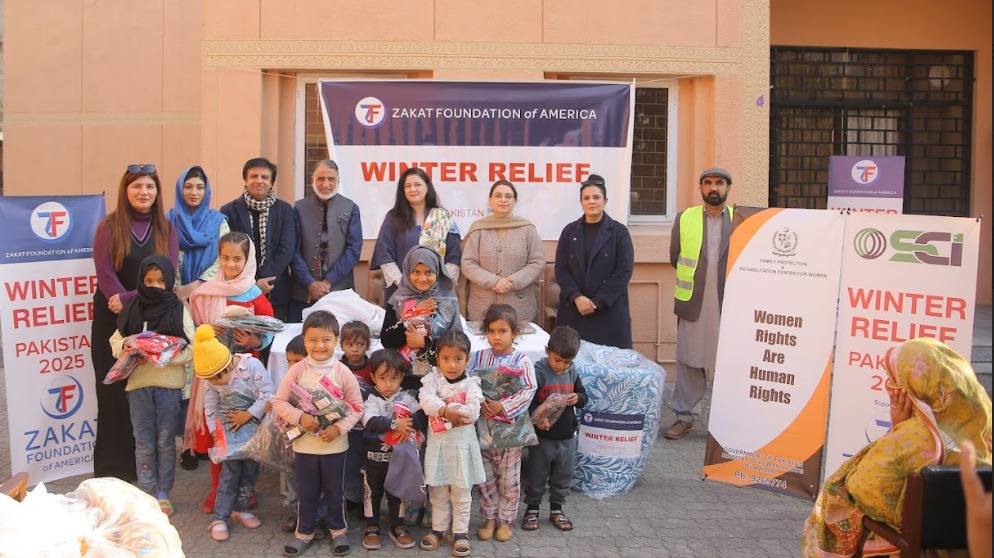
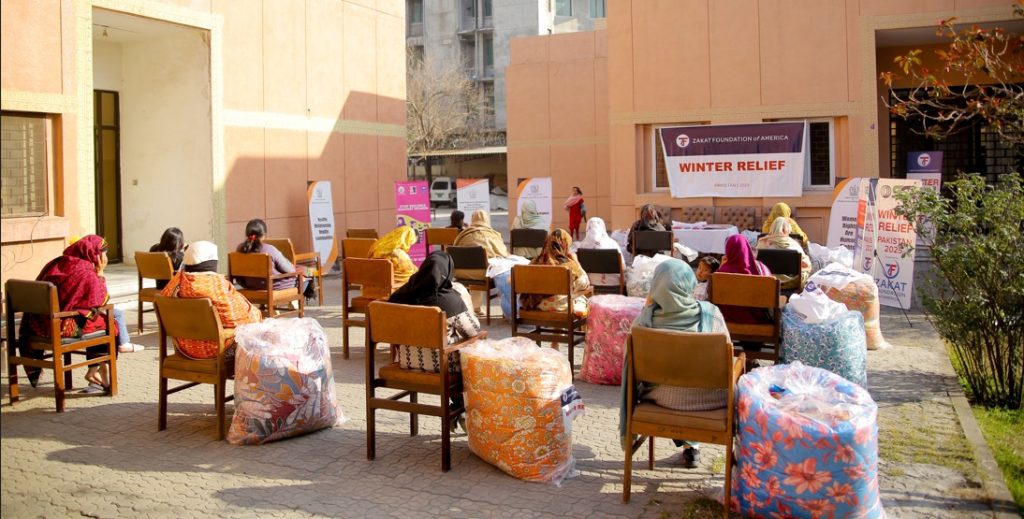
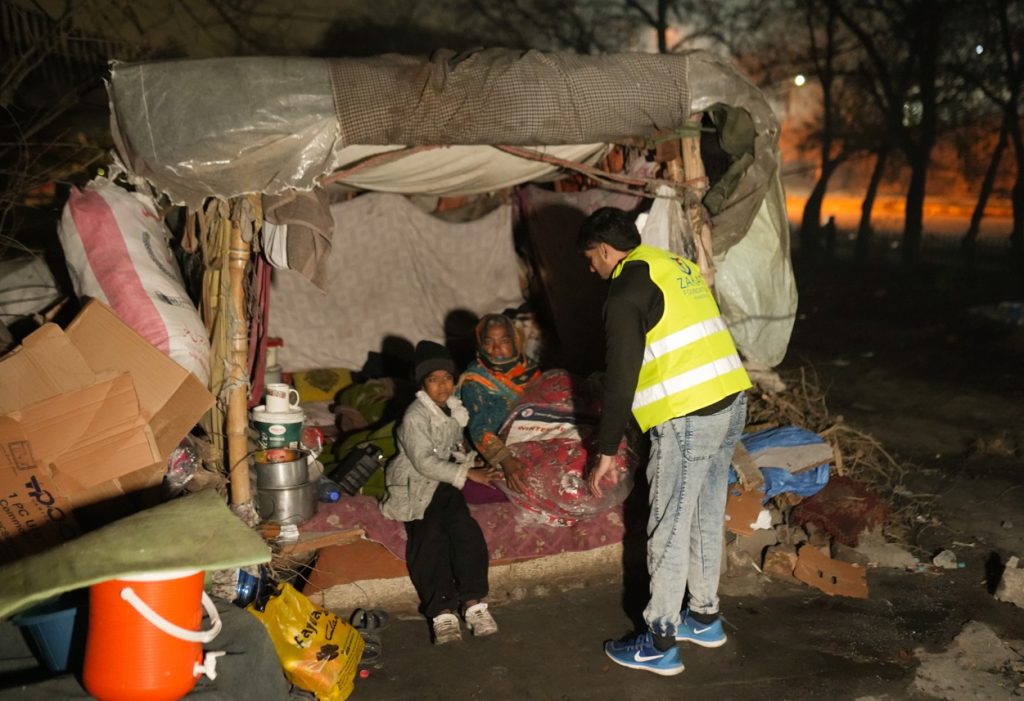
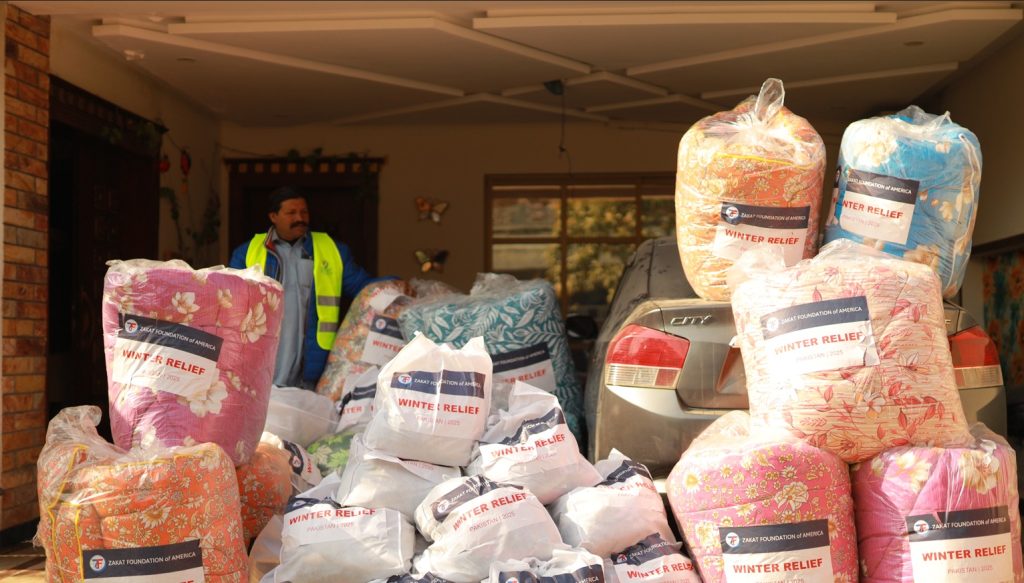
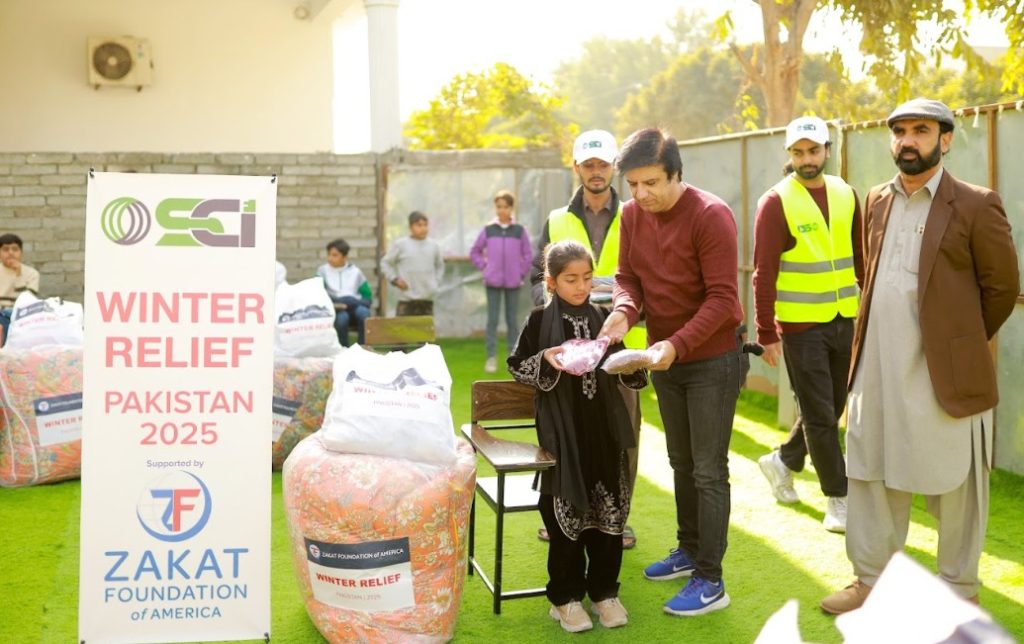
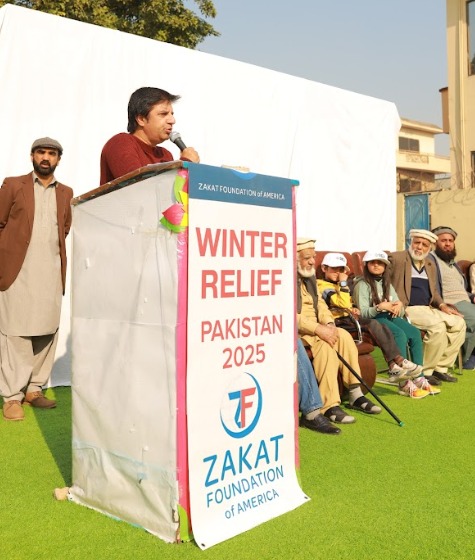
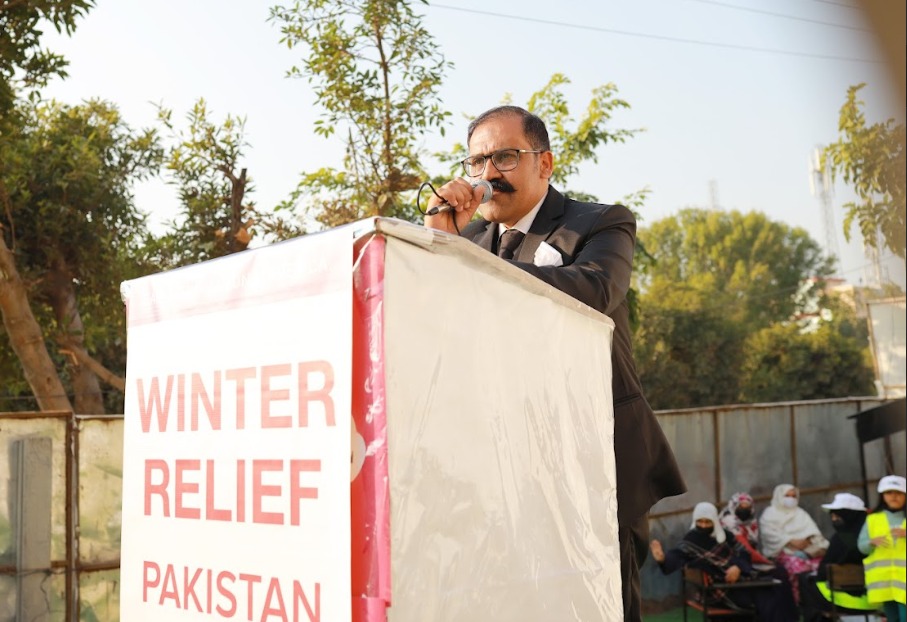
Islamabad: With a determination not to leave deserving and disadvantaged families and individuals alone in the severe cold of Islamabad, the “Social Cooperation Initiative” in collaboration with the “Zakat Foundation of America” distributed “Winter Relief Packages” among poor families and needy individuals. The aim of this campaign is to protect poor families and needy individuals from the harshness of the weather and provide them with a sense of security.

1- 50 widowed women residing in Jinnah Garden were provided with cold protection equipment so that they could face the harshness of the weather.
2- 20 members of the neglected section of the society, the transgender community, were also provided with relief packages.
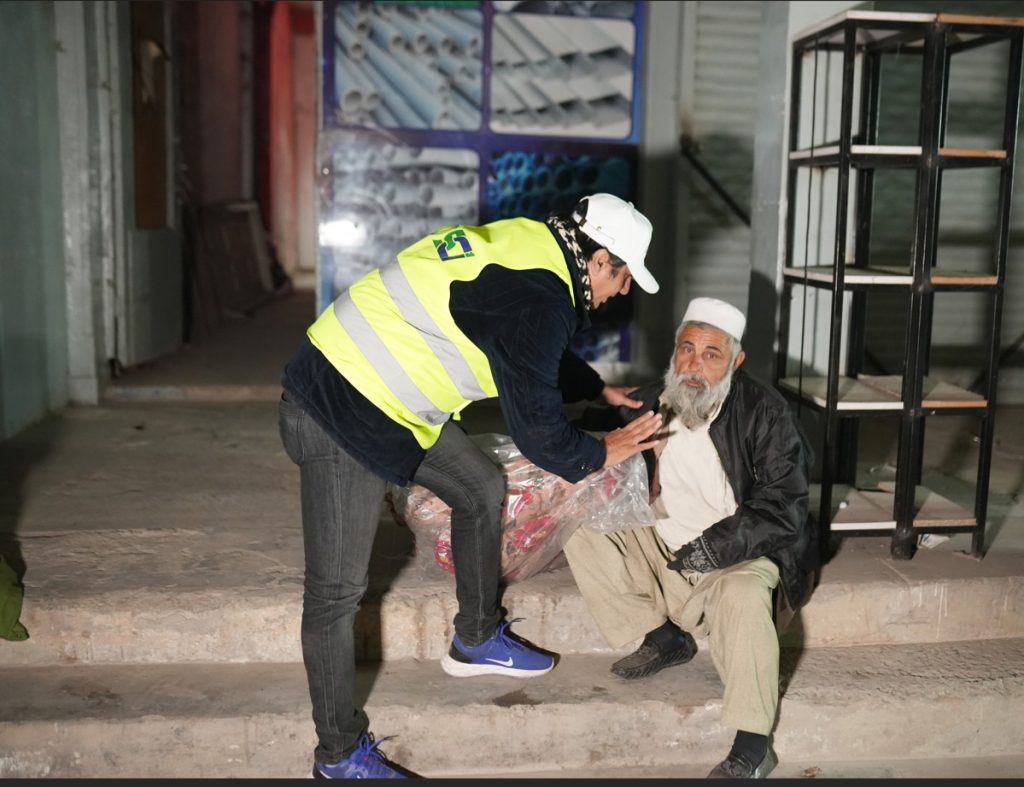
3- 20 homeless people living a miserable life under bridges were directly reached out and provided with essential relief items.
4- In addition, 20 women residents of the Social Protection Women’s Center (8-H) were distributed blankets and quilts.
The relief package included warm shawls, blankets, socks, gloves, hats, and warm hoodies for adults and children.
On this occasion, the leadership of the “Social Cooperation Initiative” thanked the “Zakat Foundation of America” ​​and said: “The winter season is a very difficult time for disadvantaged families and needy individuals. Our goal is to ensure that no deserving person is deprived of assistance. This campaign is not just about distributing goods, but also a commitment to serving humanity and social inclusion.
Continue Reading

Most Popular

English اردو