
Culture
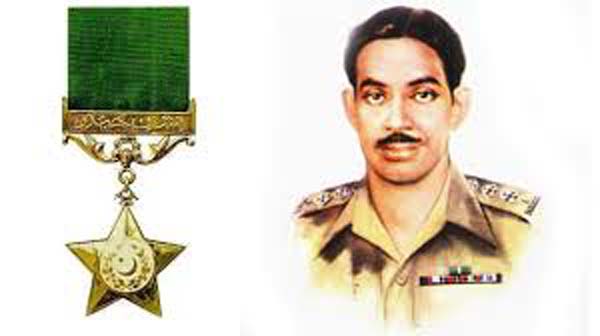
Capt Sarwar Shaheed, Pakistan’s first ever Nishan-e-Haider recipient remembered
TEST DATA, COPY APP





Article
Beauty is in the eye of the Beholder while Pakistan comes into every Eye (Episode 6)
Fariyal Mir

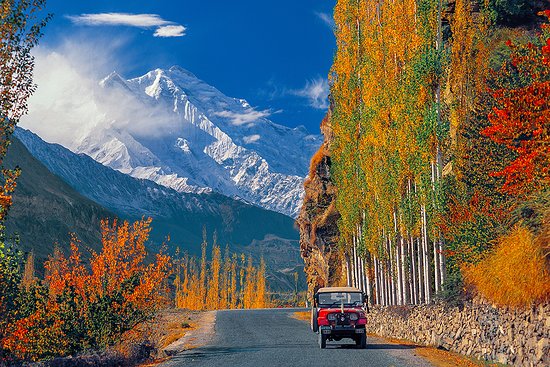
Hello… Welcome back with the hope that you all will be fine and doing great. If some have got some issue even then no worries ups and downs are part of life. We all wish for the betterment of each other and everything will be alright. Anyhow you must be waiting for the next episode of our visual tour. Before going into visualization I want to tell you that always do remember that everything happens for something better. So keep your struggle and hope for the best. As Quaid once said: “Expect the best, Prepare for the worst”.
Now, what do you think to have a visualization of our northern area? I believe whenever you hear northern area the name of Hunza comes to your mind. So let us know something about the forts of Hunza valley.
Altit Fort
Hey ….! This is the Altit Fort located in Karimabad in the Hunza valley in Gilgit Baltistan. This fort was home to the hereditary rulers of the Hunza state. They were known to be the Mir. You know it is one of our antiques as it is about 900 years old. That means it is the oldest monument in Gilgit–Baltistan. Some decades back it was in great disrepair. But Aga Khan Trust for Culture has graciously restored it. And then it has been open to the public since 2007. You can see the antiques preserved from the Mir kingdom. Oh, how lovely are old things.
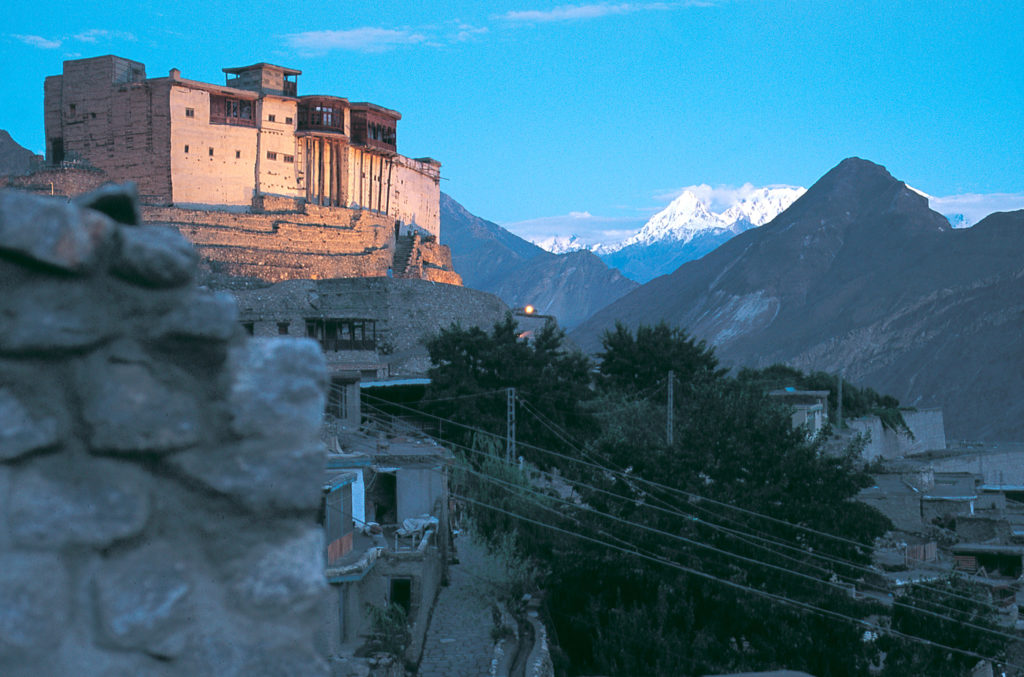
A fort under the clear blue sky, high mountains, and down valley is just an ideal to many but it is present. Nature is shouting from every angle. Now just mend your imaginative steps toward Baltit Fort that is not far from the Altit Fort.
Baltit Fort
So here we have reached our second destination of today’s trip. This fort is also near the Karimabad town Hunza Valley. Let’s know a bit about its history. It was founded in the 8th century CE, it has been on the UNESCO World Heritage Tentative list since 2004. In the past, the survival of the feudal regime of Hunza was ensured by the impressive fort, which overlooks Karimabad. The foundations of the fort date back to 700 years ago, with rebuilds and alterations over the centuries. In the 16th century, the local prince married a princess from Baltistan who brought master Balti craftsmen to renovate the building as part of her dowry. All this information is so interesting, aren’t they?
You all know there is a level of our kings or Mirs so far the Mir of Hunza also abandoned the fort in 1945 and moved to a new palace down the hill. The fort started to decay which caused concern that it might possibly fall into ruin. But fortunately, the Royal Geographical Society of London initiated a restoration program and was supported by the Aga Khan Trust for Culture Historic Cities Support Program. The program was completed in 1996 and the fort is now a museum run by the Baltit Heritage Trust. You can see it has preserved the rich heritage of Mirs of Hunza. How finely everything has been restored. You can see its architecture is far different and unique.

I think we should have to stop it here so that we have some more to visit and to visualize some other day. We will be covering the whole of our country. And for that, we would like to thank digital to bring us together and making this visualized tour. Bye, Bye for today.

Lalak Jan; The living hero of the Kargil war

Captain Karnal Sher Khan Shaheed: The Invader

Markhor: The Majestic National Animal of Pakistan