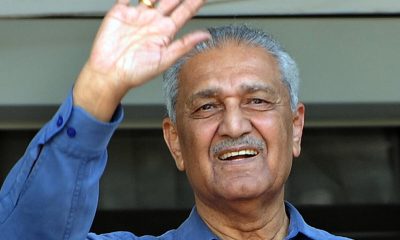
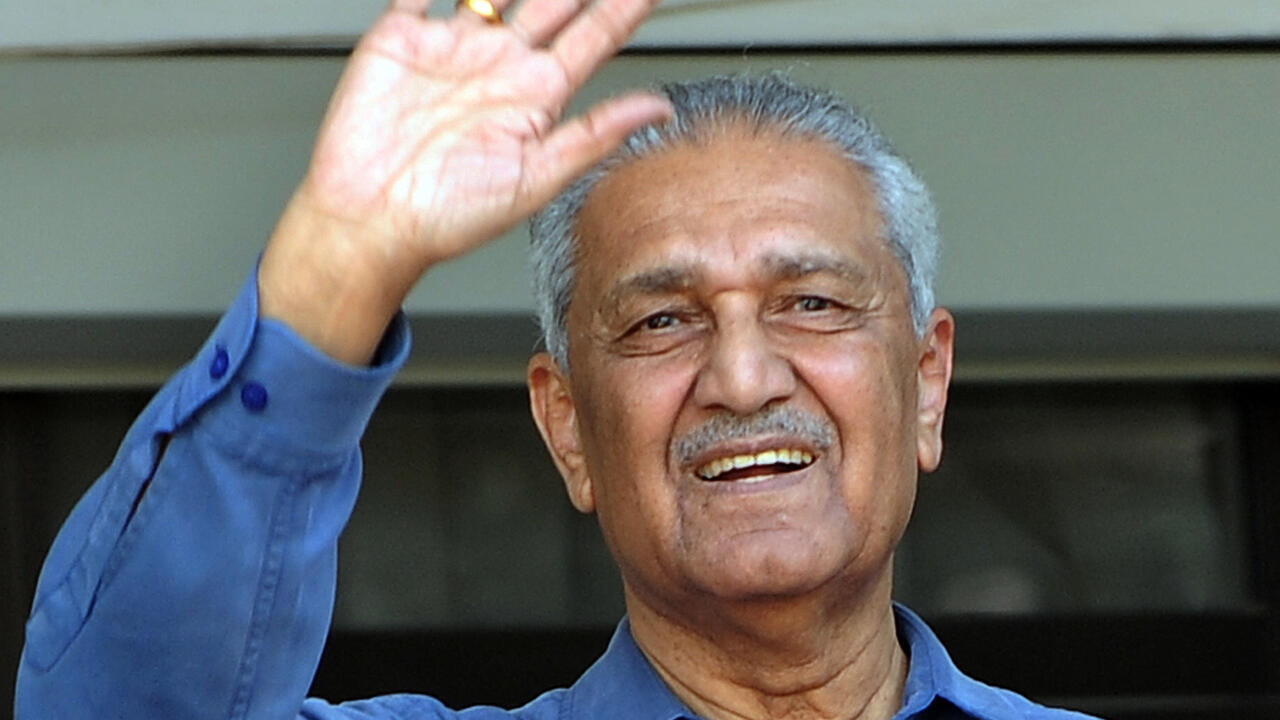
Today, April 1, 2026, marks the 90th birth anniversary of Abdul Qadeer Khan — the renowned scientist widely celebrated as the “Father of Pakistan’s Nuclear Program.”
On this day, the nation remembers not just a scientist, but a symbol of determination, resilience, and national sovereignty. His name is deeply etched in the history of Pakistan as the man who transformed the country’s strategic future and strengthened its defense.
Early Life and Education
Dr. Abdul Qadeer Khan was born on April 1, 1936, in Bhopal, then part of British India. After the partition of 1947, his family migrated to Pakistan, where his journey of excellence began.
With a strong passion for science and engineering, he pursued higher education in Europe, specializing in metallurgy and nuclear science. His academic journey equipped him with the expertise that would later change the destiny of Pakistan.
The Defining Mission
The turning point in Dr. Khan’s life came after the 1971 war, which exposed Pakistan’s strategic vulnerabilities. At a time when the nation needed strength and confidence, Dr. Khan stepped forward with a vision.
He returned to Pakistan and joined efforts to develop the country’s nuclear capability. Through his leadership, dedication, and scientific brilliance, Pakistan moved closer to achieving strategic deterrence.
Building a National Capability
Dr. Khan played a central role in establishing the Kahuta Research Laboratories, later named in his honor. His work focused on uranium enrichment, a critical component of nuclear technology.
Despite facing:
- International pressure
- Limited resources
- Technological challenges
He and his team worked tirelessly, driven by a single goal: to ensure Pakistan’s security and independence.
A Historic Milestone
On May 28, 1998, Pakistan conducted its nuclear tests, becoming the first Muslim nuclear power and the seventh nuclear state in the world.
This historic achievement marked a defining moment in Pakistan’s history. It was seen as a demonstration of national strength and scientific capability, and Dr. Abdul Qadeer Khan became a national hero.
A Complex but Powerful Legacy
Dr. Khan’s life was not without controversy. His later years were marked by international scrutiny and political challenges. However, within Pakistan, he remained a deeply respected figure.
For millions, he symbolized:
- National dignity
- Scientific achievement
- Strategic independence
His contributions sparked important discussions about science, ethics, and national security.
A Human Story Behind the Scientist
Beyond his scientific achievements, Dr. Khan was known for his simplicity and connection with the people. He often spoke about education, self-reliance, and national pride.
He believed that the true strength of a nation lies not only in its defense but in the character and unity of its people.
Lessons for the Future
On his 90th birth anniversary, Dr. Abdul Qadeer Khan’s life offers powerful lessons:
- Vision can change destiny
- Knowledge is power
- Nations rise when their people believe in themselves
For the youth of Pakistan, his journey is a reminder that dedication and purpose can shape history.